When Kostyantyn first stepped onto a paddleboard after his injury, he was not sure whether he would be able to keep his balance. He had tried paddleboarding before the war, but after suffering a serious injury in the Donetsk region, he had to learn everything all over again. During a combat mission, he stepped on a mine while rushing to rescue a wounded comrade. The unfortunate result was a high amputation of his leg.
After returning from his swim, Kostyantyn smiles and says, ‘While I was wondering whether I could do it, I had already finished the swim and realized I could do anything.’ This is not just about sport or physical rehabilitation. It is about regaining self-confidence and a sense of control over your life, as well as the ability to rebuild a future after what you have been through.
This is precisely the kind of recovery that the psychological and psychosocial support programme for servicemen and veterans of the State Border Guard Service of Ukraine aims to facilitate. The programme is supported by the ‘EU4IBM-Resilience’ project, funded by the European Union and implemented by the International Centre for Migration Policy Development (ICMPD).
In partnership with the NGO ‘Veterans’ Centre for Mental Recovery’ and the Main Military Medical Clinical Centre of the State Border Guard Service, the project facilitates therapeutic sessions for border guards who undergo treatment, rehabilitation, or have returned from captivity. The initiative runs from August 2025 to August 2026. Over 300 Ukrainian border guards have already participated, including 48 who were released from Russian detention.
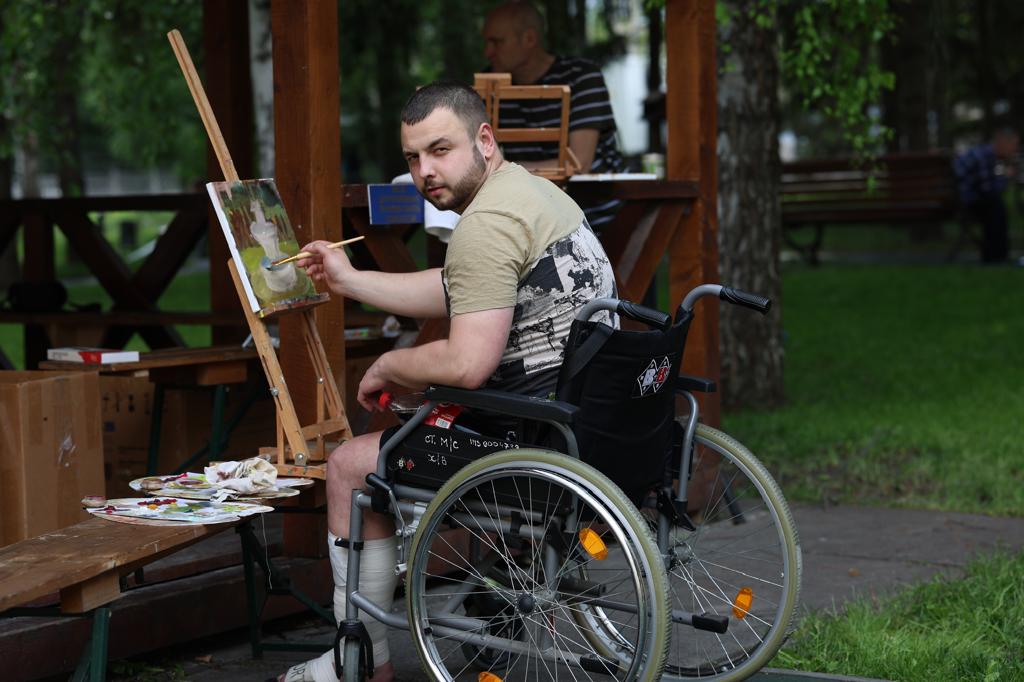
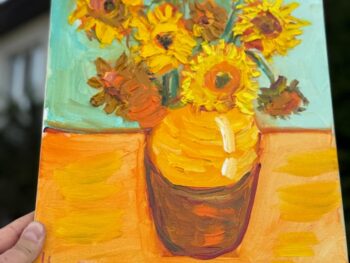
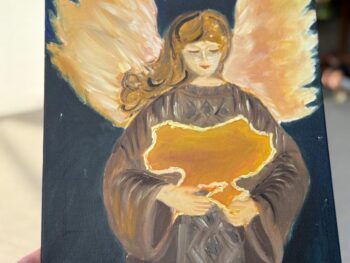
The programme comprises four main areas: art therapy, clay therapy, bread therapy, and hippotherapy. At least 16 therapy sessions are held each month, with over 50 veterans attending. At first glance, these activities appear to be creative or recreational. But behind each one lies deep psychological work.
Activities such as drawing, working with clay or baking bread can help veterans to process traumatic experiences without having to talk about them straight away. The creative process reduces internal tension, helps manage anxiety, and restores a sense of control, which is often the first thing to be destroyed by war. Through shared activities, people gradually resume interacting with others, rebuilding trust and a sense of support.
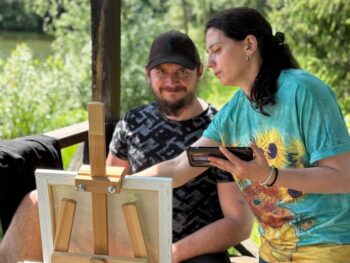
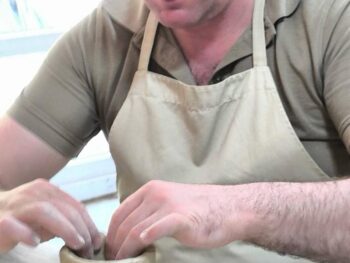
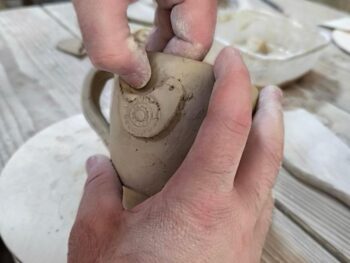
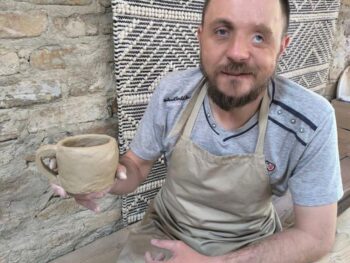
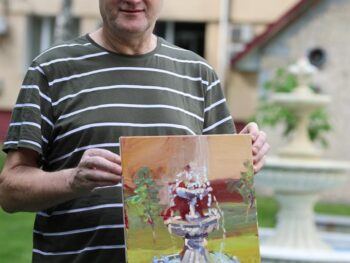
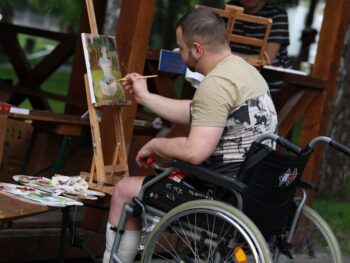
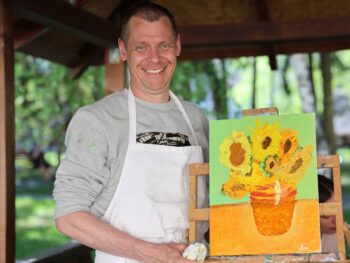
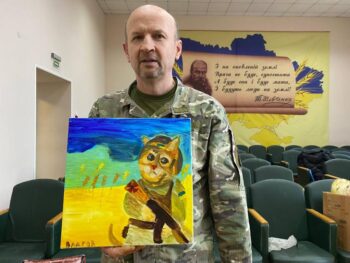
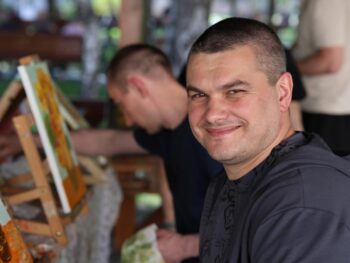
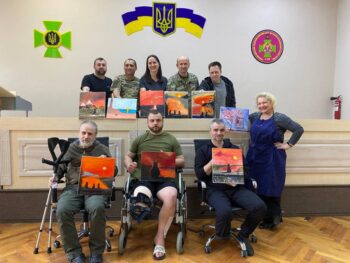
The NGO ‘Veterans’ Centre for Mental Recovery’ emphasizes that, upon returning from the front line, many soldiers continue to live in survival mode, suppressing their emotions.
Creative activities help people reconnect with themselves – their emotions, interests, and inner strength – and feel like human beings again, not just soldiers.
In addition to the therapeutic effect, the programme has an important social dimension. Participants’ work is displayed at exhibitions and public events, helping the wider public to better understand what soldiers experience after returning from the front line.
Vyacheslav Toporov, the EU4IBM-Resilience Project Manager, emphasizes that supporting the mental health of border guards is integral to the resilience of the entire system: ‘We often talk about technical equipment, infrastructure, or border security. But behind all these processes are people. Supporting the psychological rehabilitation of State Border Guard Service personnel is just as important as modernizing equipment or developing professional skills. Without the recovery of people, the recovery of the system is impossible.”
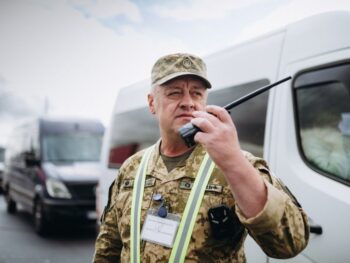
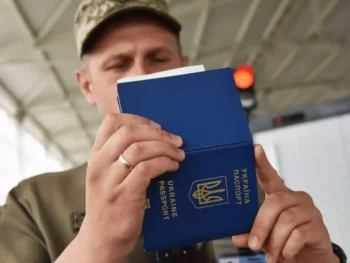
The psychological rehabilitation programme forms part of the broader support that EU4IBM-Resilience provides to Ukrainian border management authorities during wartime. Alongside the modernisation of border crossing points, the supply of scanning systems, and professional training, the project supports the people who ensure Ukraine’s state border is secure on a daily basis, even after they return from the front line.
For every soldier, another struggle continues after the war – the struggle to return to normal life, to yourself, and to your loved ones. Sometimes this path begins with a simple thing: a drawing, clay in your hands, or your first time getting back on water after an injury. It begins with the moment when the person starts to believe again – “I can.”