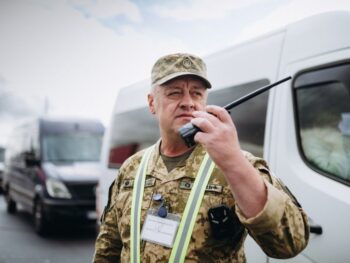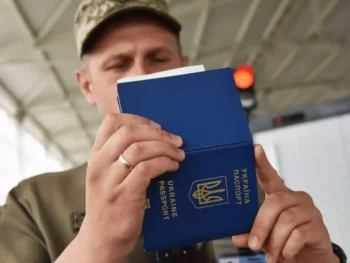
After the slowdown over the winter period, traffic volumes at Ukraine’s western border increased gradually in March. Passenger numbers reached 1.73 million, though this figure remained lower than those recorded in January and February. Border services adapted to these seasonal fluctuations by combining responses to local delays with the ongoing digitalisation of procedures. In most cases, border crossing point operations remained under control despite technical works and restrictions imposed by neighbouring countries.
The gradual rollout of the Entry/Exit System (EES) continues to affect biometric control procedures. Alongside this, Ukraine is preparing for further integration with European digital control tools, as well as adapting its visa policy and migration procedures in line with new standards.
In the area of customs control, trade turnover has increased and oversight has strengthened: customs revenue exceeded UAH 60 billion in both months. The risk-based approach to identifying violations has been reinforced, with over 800 cases detected in March alone. Particular attention is being paid to maritime logistics, with ports remaining a key export channel, particularly for agricultural products.
Projects to modernise border crossing points, develop access roads, and increase capacity are being actively implemented with the help of international funding and modular solutions. Against the backdrop of geopolitical risks, alternative routes are being expanded, including the Danube route. Work is ongoing to introduce digital permits and integrate the transport system into Europe.